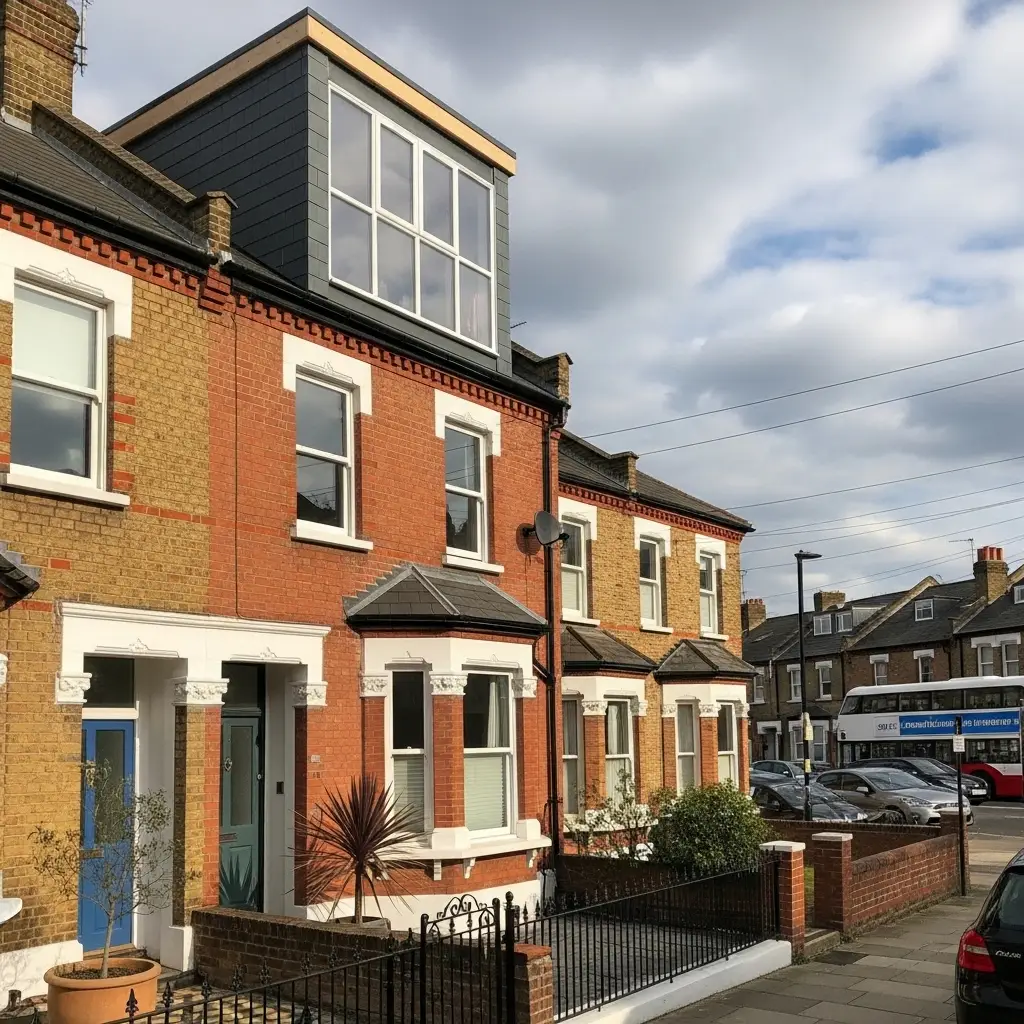
A dormer loft conversion is one of the most effective ways to unlock your home’s unused space. By adding a dormer structure to your roof, you create more headroom, natural light, and functional living areas without extending the building footprint. For many homeowners, it’s a smart alternative to moving or building large house extensions.
This guide explores everything about dormer loft conversions: design options, planning permission, costs, benefits, and tips for maximising your investment.
What Makes Dormer Loft Conversions Popular?
Choosing a dormer loft conversion comes with several advantages:
- Significant Space Gain: Converts cramped attics into fully usable rooms.
- Property Value Boost: Adds 15–25% to your home’s resale value.
- Cost-Effective Expansion: More affordable than most home extensions.
- Flexible Use: Ideal for bedrooms, offices, or hobby spaces.
- Better Natural Light: Dormer windows brighten your upper floor.
A well-planned dormer loft conversion turns underused areas into comfortable, attractive living spaces.
Assessing Your Loft for Conversion
Check Structural Suitability
Before committing, ensure your loft meets basic requirements:
- Minimum ceiling height of about 2.2 metres
- Strong existing structure or ability to reinforce
- Adequate space for safe staircase access
A professional survey helps determine if a dormer loft conversion is feasible for your property.
Planning Permission and Regulations
Most dormer loft conversions fall within permitted development rights, meaning no planning permission is required. However, building regulations always apply for:
- Fire safety, insulation, and ventilation
- Structural integrity and safe staircases
- Soundproofing between floors
Homes in conservation areas or listed buildings may need additional approval.
Setting a Realistic Budget
In the UK, a dormer loft conversion usually costs £30,000–£60,000, depending on design and finish. Your budget should include:
- Architectural and engineering fees
- Roofing, structure, and window installation
- Electrical, plumbing, and insulation work
- Interior finishing and furnishing
Adding a contingency fund of around 10–15% covers unexpected issues.
Types of Dormer Loft Conversions
Flat Roof Dormer
Provides maximum internal space and is the most affordable option, especially for terraced houses.
Gable-Front Dormer
Features a pitched roof, adding curb appeal while increasing internal headroom.
Hip-to-Gable Dormer
Expands the side of your roof, ideal for detached and end-terraced houses.
L-Shaped Dormer
Creates expansive living space, often suitable for Victorian and Edwardian homes.
Mansard Dormer
Characterised by steeply sloped roofs, offering large, airy rooms but usually requiring planning permission.
Creative Design Ideas
A Private Master Suite
Turn your loft into a luxurious master bedroom complete with en-suite bathroom and walk-in wardrobe.
Bright Home Office
Natural light from dormer windows creates an inspiring and quiet workspace.
Children’s Den
Design a fun and safe playroom for your kids, freeing up space in the rest of your house.
Comfortable Guest Bedroom
Offer your visitors privacy with a stylish guest suite that feels separate from the main house.
Leisure or Hobby Room
Transform your loft into a home cinema, music studio, or fitness area.
Lighting and Airflow
Although dormer windows increase brightness, plan for additional lighting:
- Recessed spotlights for even illumination
- Skylights for extra natural light
- Ventilation systems or extractor fans to maintain air quality
Proper airflow prevents condensation and keeps the loft comfortable.
Heating and Insulation
Keeping your loft cosy and energy-efficient is crucial. Use:
- High-quality insulation in walls and ceilings
- Energy-rated windows to prevent heat loss
- Underfloor heating for consistent warmth
These measures improve comfort and reduce energy bills.

Potential Challenges
- Limited Roof Height: May require structural adjustments.
- Budget Control: Unplanned changes can raise costs.
- Planning Limitations: Some areas restrict dormer designs.
- Temporary Disruption: Expect some noise and dust during construction.
Hiring Professionals or DIY?
A dormer loft conversion involves structural work, roofing, and building regulations. Professional teams—architects, builders, and engineers—offer:
- Safe and compliant construction
- Efficient project management
- High-quality, durable results
- Support with design and permissions
DIY conversions often lead to mistakes that cost more to fix.
Return on Investment
Maximise your ROI with these strategies:
- Choose designs that appeal to future buyers
- Include functional spaces like en-suite bathrooms
- Focus on energy efficiency
- Keep the layout adaptable and family-friendly
A well-executed dormer loft conversion adds value and improves everyday living.
Eco-Friendly Dormer Conversions
Make your project sustainable by:
- Using eco-friendly insulation and materials
- Installing LED lighting and energy-efficient heating
- Adding solar panels if your roof is suitable
- Recycling old construction materials
Sustainable upgrades lower your running costs and attract eco-conscious buyers.
Maintaining Your Dormer Loft Conversion
Regular upkeep ensures longevity:
- Check roofing for leaks and damage
- Clean gutters and drainage systems
- Service heating and ventilation systems
- Touch up paint and finishes as needed
Preventive care protects your investment.
Dormer Loft Conversions vs. Other Home Improvements
Compared to home refurbishments and house extensions, a dormer loft conversion:
- Uses your existing roof space
- Preserves your garden and outdoor areas
- Is faster to complete and often doesn’t require planning permission
For many households, it’s the most efficient way to gain living space.
Frequently Asked Questions
Q1: How long does a dormer loft conversion take?
Typically, between 8–12 weeks, depending on design and complexity.
Q2: Will my dormer loft conversion need planning permission?
Most don’t, but listed buildings and conservation areas require approval.
Q3: How much value does it add?
On average, it can increase your home’s value by up to 25%.
Q4: Can any attic be converted?
A survey will confirm if your roof structure and height are suitable.
Q5:How can we get a free consultation?
feel free to touch with us
Conclusion
A dormer loft conversion is a smart investment that enhances both living space and property value. By turning your unused loft into a functional, light-filled area, you gain a practical solution that adapts to your lifestyle.
With expert planning, energy-efficient design, and high-quality finishes, a dormer loft conversion becomes a standout feature of your home. Compared to larger house extensions or complete home refurbishment projects, it’s a faster, cost-effective, and highly rewarding way to make the most of your property.
