Converting a loft can be one of the most rewarding upgrades to your home. Whether you’re short on space, need an extra bedroom, or just want to increase your property’s value, a loft conversion offers countless possibilities. This loft conversion beginners guide 2 will walk you through everything from planning to completion. Let’s simplify the process for you, even if you’re just starting out.
Why Consider a Loft Conversion?
A loft conversion is a cost-effective way to increase living space without moving house. Many homeowners are choosing this route over house extensions because it maximises unused areas. Compared to a full home refurbishment, it’s less invasive yet highly impactful. If done right, it adds value and enhances both functionality and style.
Understanding Loft Conversion Types
Choosing the right type is the first major decision. Here’s a breakdown:
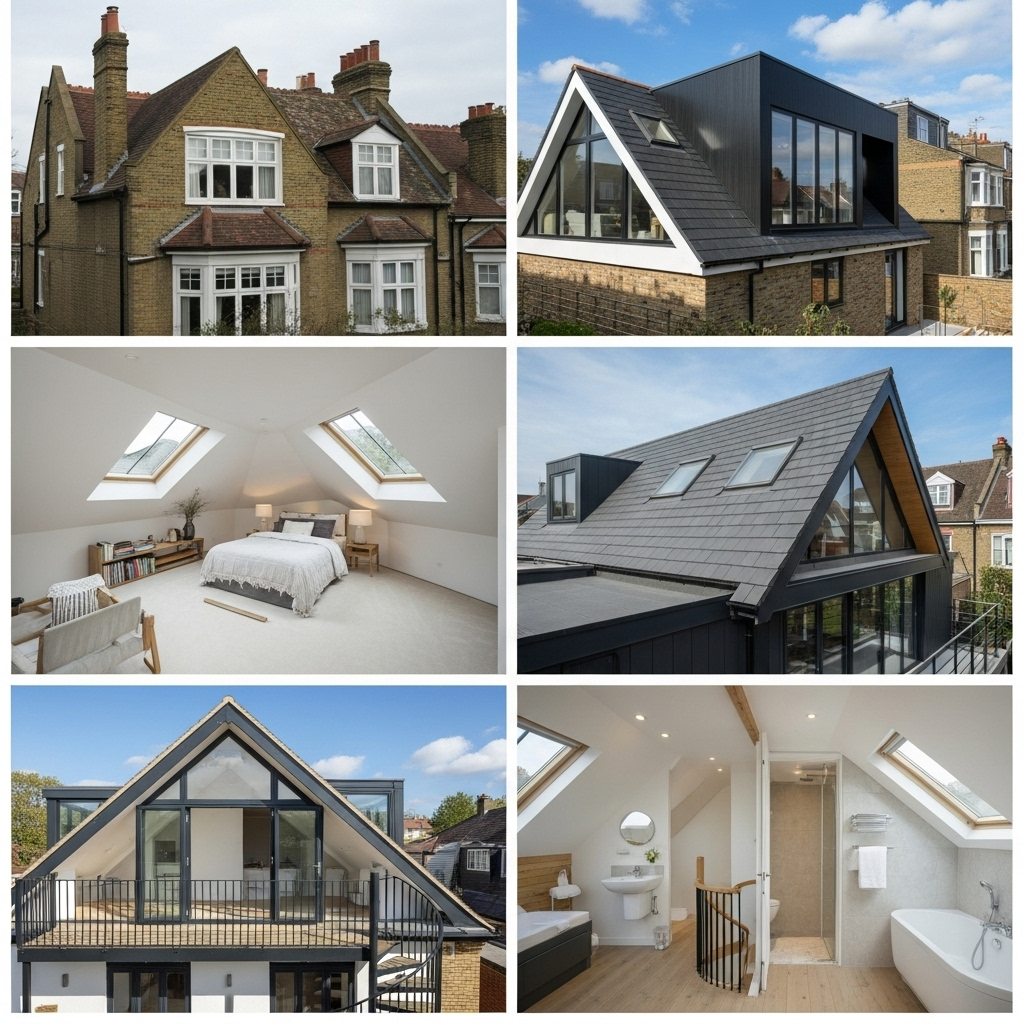
1. Dormer Loft Conversion
The most popular choice. This adds a box-shaped structure to your roof, creating flat ceilings and vertical walls. Great for bedrooms or offices.
2. Hip-to-Gable Loft Conversion
Common in semi-detached homes. The sloping roof is extended to form a vertical wall, offering more usable floor space.
3. Mansard Loft Conversion
Requires more structural work but gives the most room. These are usually located at the back of the house and involve changing the roof shape.
4. Velux (Rooflight) Conversion
The easiest and cheapest type. It involves installing skylights without altering the roof structure—ideal if you have enough height.
Is Your Loft Suitable?
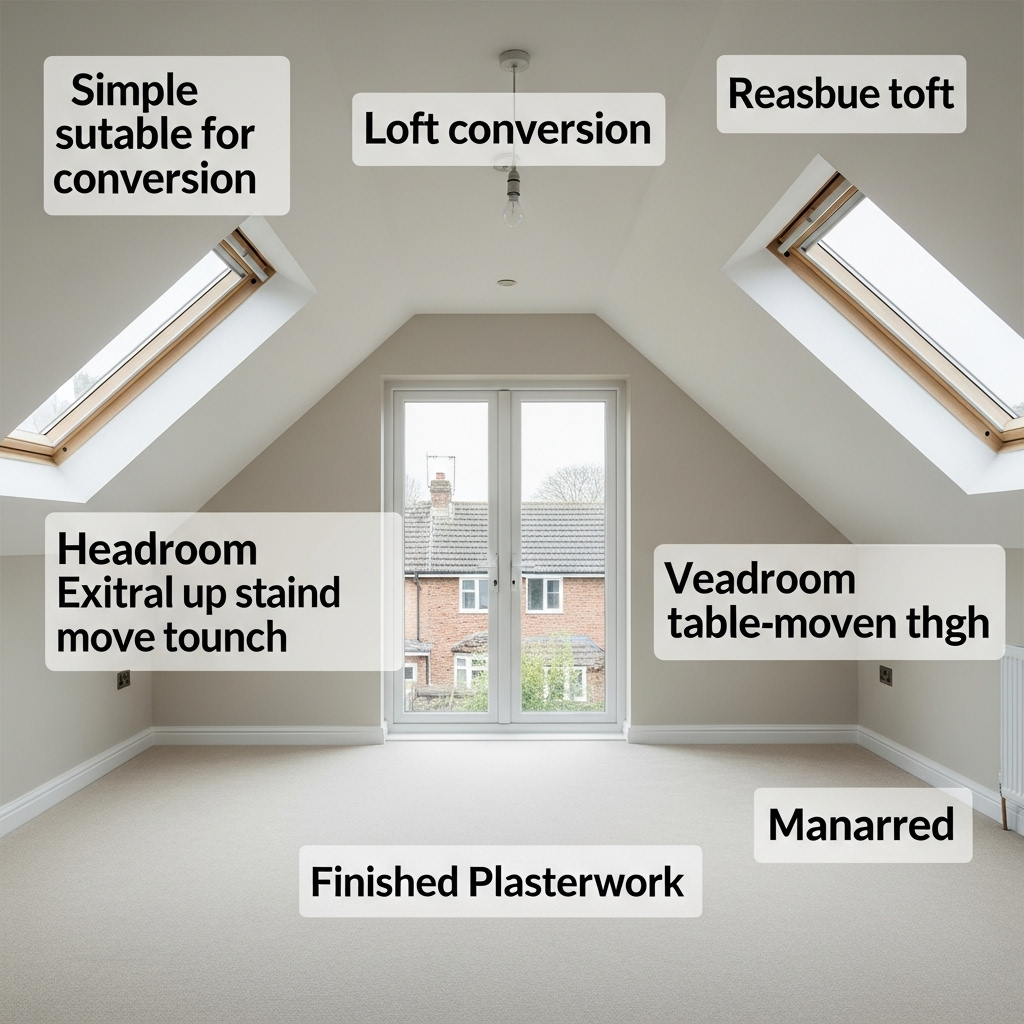
Before getting excited, confirm whether your loft is fit for conversion.
- Head Height: Ideally, you need 2.2 meters from the floor to the ridge beam.
- Roof Structure: Traditional framed roofs are easier to convert than trussed ones.
- Staircase Space: There must be enough room to fit safe, accessible stairs.
If you’re unsure, a loft surveyor or architect can help determine feasibility.
Planning Permission and Regulations
Most loft conversions fall under Permitted Development, meaning you don’t need planning permission. However, there are exceptions.
When You’ll Need Planning Permission:
- Your property is listed.
- It’s located in a conservation area.
- You plan to alter the roof structure significantly.
Building Regulations are always required. They ensure safety in areas like:
- Fire escape and alarms
- Structural stability
- Insulation and energy efficiency
Your builder should submit plans for approval before starting.
Budgeting for a Loft Conversion
A crucial part of this loft conversion beginners guide 2 is understanding costs. Here’s a basic breakdown:
| Type | Approximate Cost (UK) |
|---|---|
| Velux Conversion | £15,000 – £25,000 |
| Dormer Conversion | £30,000 – £50,000 |
| Hip-to-Gable Conversion | £40,000 – £60,000 |
| Mansard Conversion | £50,000 – £70,000 |
These figures vary depending on location, materials, and design. Additional features like en-suites or high-end finishes can increase your budget.
How to Choose the Right Contractor
Never underestimate the importance of selecting the right builder. Here’s what to look for:
- Experience: Ask for a portfolio of past loft conversions.
- References: Speak to previous clients.
- Insurance: Ensure they carry liability and worker’s insurance.
- Transparency: Clear pricing and timelines are a must.
Many home refurbishment companies offer loft conversions as part of their service—so you may already know someone who can help.
Design Tips for Beginners
Even small lofts can become beautiful, functional spaces. Here are beginner-friendly tips:
Use Light Colours
White and pastels help small spaces feel larger and brighter.
Maximise Natural Light
Add skylights or large dormer windows. Light changes everything.
Smart Storage Solutions
Built-in wardrobes, under-eaves drawers, and shelving save precious space.
Choose Multi-Functional Furniture
A sofa bed or desk with drawers can make the most of limited room.
Common Loft Conversion Mistakes to Avoid
Even seasoned renovators make errors. Beginners should watch out for:
- Ignoring headroom: Measure carefully to avoid disappointment.
- Bad staircase placement: This affects layout downstairs too.
- Poor lighting: Plan for natural and artificial light.
- Underestimating cost: Always add 10-15% buffer.
- No contingency plan: Delays can happen. Be flexible.
Timeline: What to Expect
Here’s a general timeline for your project:
| Stage | Duration |
|---|---|
| Design & Planning | 2–4 weeks |
| Planning Permission (if needed) | 8–12 weeks |
| Building Regulations Approval | 2 weeks |
| Construction | 6–12 weeks |
| Final Inspections | 1 week |
This may vary based on the complexity and contractor availability.
Enhancing Loft Value with Style
Beyond function, think about style. A loft that looks good adds real value.
- Add En-Suites: Especially important for guest rooms.
- Install Smart Features: Think USB outlets, heating zones, and LED lighting.
- Energy Efficiency: Use top-quality insulation and windows.
If you’re also considering a home refurbishment or house extension, ensure styles and finishes match across the property for a unified look.
Legal and Party Wall Considerations
If your property is terraced or semi-detached, you may need a Party Wall Agreement with your neighbour. This is a legal agreement that protects both sides and outlines the nature of the work.
Failure to secure one can lead to delays or legal issues, so consult your builder early in the process.
Final Checklist Before You Begin
Here’s a quick beginner’s checklist to stay organised:
✅ Confirm loft height
✅ Get a structural survey
✅ Choose your loft conversion type
✅ Set a realistic budget
✅ Obtain necessary permissions
✅ Hire an experienced contractor
✅ Prepare your home for disruption
✅ Plan storage and design features
✅ Ensure building regs compliance
✅ Have a contingency plan
Loft Conversion and Other Home Projects
A loft conversion often sparks the idea of improving other areas. Many homeowners choose to pair it with:
- Home refurbishment: Update interiors for a fresh, cohesive look.
- House extensions: Add space on the ground floor.
- Kitchen refurbishment: Combine new upstairs space with open-plan living.
When done together, these projects create a seamless living experience and raise property value.
Conclusion: Loft Conversion Beginners Guide 2
This loft conversion beginners guide 2 was designed to simplify your journey. From understanding the different types to setting a budget and planning design, the process becomes manageable with the right information.
A loft conversion isn’t just about more space—it’s about smarter living, increased comfort, and better home value. Take your time, plan thoroughly, and don’t rush into decisions.
